How Much Water Does It Take To Produce Breastmilk?
Hydration & Breastfeeding: Supporting Your Body Beyond Summer
Breast milk is approximately 87% water. Your hydration matters long after the summer heat has passed.
Simple, realistic ways to care for yourself while nourishing your baby.
When summer arrives, staying hydrated often feels like a priority. We carry water bottles, reach for cold drinks, and pay closer attention to the heat. But when the weather cools down and our routines shift, hydration can easily slip to the bottom of the list.
For breastfeeding and pumping parents, it’s worth keeping hydration on your radar throughout the year. Your body is continually producing milk, caring for a growing baby, and recovering from the physical demands of pregnancy and birth.
Human milk is approximately 87% water. While your body is remarkably capable of regulating milk production, adequate fluid intake supports your own health and helps replace the fluids you lose throughout the day.
The good news? You do not need to force yourself to drink gallons of water or follow a rigid hydration schedule. Small habits that fit into your everyday life can make a meaningful difference in how you feel.
How Do You Know If You’re Getting Dehydrated?
Between feeding sessions, pumping schedules, diaper changes, work, and everything else that comes with caring for a baby, it’s easy to ignore your own body’s signals. Sometimes thirst is obvious. Other times, dehydration may show up in less expected ways.
Physical signs
- Feeling thirsty or having a dry mouth
- Urinating less often than usual
- Dark yellow urine or noticeably stronger-smelling urine
- Headaches or feeling unusually tired
- Dizziness or lightheadedness, especially when standing
- Constipation or feeling overheated more easily
Situations that make it easier to fall behind
- Going several hours without a drink during a busy day
- Feeding or pumping repeatedly without keeping water nearby
- Spending time in heated indoor spaces or dry weather
- Exercising, sweating, or recovering from an illness
- Managing vomiting, diarrhea, or a fever
- Feeling too busy or exhausted to notice thirst
A gentle reminder: You don’t have to wait until you feel extremely thirsty to drink. Pale yellow urine and regular urination are useful general clues that you may be getting enough fluids, although they are not perfect measures of hydration.
Can Dehydration Affect Your Milk Supply?
This is one of the most common questions breastfeeding parents have, especially after a day when they realize they’ve barely touched their water bottle.
The relationship between hydration and milk production is more nuanced than simply drinking more water to make more milk. Your body regulates the water content of breast milk, and research does not show that drinking extra fluids beyond your body’s needs reliably increases milk production.
However, significant dehydration can affect your health and well-being. If you are losing fluids through illness, sweating, or inadequate intake, it’s important to replace those fluids and seek medical guidance when needed.
Hydration supports your health, but milk production is driven primarily by effective and frequent milk removal. When your baby nurses effectively or you pump regularly, your body receives signals to continue producing milk. Hydration is one part of the bigger picture, not the only explanation for a supply concern.
What might a parent notice if milk production is changing?
A parent concerned about supply might notice changes such as:
- Lower pumping output: You may collect less milk than usual during a pumping session. However, output can vary with pump settings, flange fit, timing, stress, and how recently you last fed or pumped.
- A change in feeding behavior: Your baby may seem to feed more frequently, take longer at the breast, or appear unsettled after some feeds. These behaviors can have many explanations, including normal developmental changes.
- Changes in breast fullness: Your breasts may feel softer or less full than before. This can be a normal sign that milk production is regulating and does not necessarily mean your supply has decreased.
- Changes in milk transfer or output over time: A consistent change, particularly when accompanied by fewer wet diapers or concerns about weight gain, deserves further assessment.
None of these signs alone can confirm that dehydration is affecting your milk supply. If you suspect a supply change, an IBCLC can help assess milk removal, feeding effectiveness, pumping practices, and other possible contributing factors.
Look at the Whole Picture: Is Baby Getting Enough Milk?
Rather than relying on breast fullness or a single pumping session, look at your baby’s overall feeding patterns and growth. These provide more useful information about whether your baby is receiving enough milk.
Signs worth monitoring
- Baby is feeding regularly and you can hear or see swallowing.
- Wet diapers are appropriate for your baby’s age.
- Baby is gaining weight as expected.
- Baby is alert and behaving as expected for their age.
In the first week, diaper output changes quickly. By around day five, six or more wet diapers in 24 hours is a common benchmark for newborns who are feeding well.
If your newborn has fewer wet diapers than expected, is difficult to wake for feeds, has ongoing feeding difficulties, or is not gaining weight appropriately, contact your baby’s healthcare provider promptly. Do not assume these changes are simply due to your water intake.
Signs of significant dehydration in a parent, such as fainting, confusion, very little urine, or an inability to keep fluids down, also require urgent medical assessment.
Simple Ways to Stay Hydrated While Breastfeeding
Hydration does not have to become another demanding task on your to-do list. Instead of aiming for perfection, build small reminders into routines you already have.
- Keep water where you feed. Place a bottle or cup near your nursing chair, bedside, or pumping station. If you feed in multiple places, consider keeping a bottle in each of your usual spots.
- Pair drinking with feeding. Take a few sips when you sit down to breastfeed or pump. You do not need to finish an entire bottle every time.
- Make water easier to enjoy. Try chilled water, sparkling water, or water infused with citrus, cucumber, or berries if plain water doesn’t appeal to you.
- Include hydrating foods. Soups, yogurt, fruit, vegetables, and other water-rich foods contribute to your overall fluid intake.
- Adjust for your day. You may need more fluids when you exercise, sweat, have a fever, or spend time in hot conditions.
- Use reminders that fit your life. A refill when you make breakfast, a drink before leaving the house, or a water bottle beside your work bag can help you remember without adding another complicated routine.
How much water should you drink? There is no single amount that works for every breastfeeding parent. Fluid needs vary with body size, activity, climate, diet, and individual health. Use thirst as a guide, drink regularly throughout the day, and increase fluids when you are losing more than usual. Follow any fluid recommendations given by your healthcare provider.
Hydration Is One Part of Your Feeding Journey
It can be tempting to search for one simple answer when breastfeeding feels challenging. Maybe your pumping output has changed, your baby wants to nurse more often, or you suddenly realize that you’ve barely had anything to drink all day.
Your hydration matters, but you deserve more than advice that tells you to drink more water and hope for the best. Feeding concerns are best understood by looking at the whole picture: your health, your baby’s development, milk removal, feeding effectiveness, and your family’s daily routine.
And remember: caring for yourself is part of caring for your baby. You deserve reminders, support, and practical strategies that make feeding feel more manageable.
Have Questions About Your Milk Supply?
Milk & Cradle offers individualized lactation support to help you understand what’s happening, identify possible barriers, and create a feeding plan that fits your family’s needs.
Whether you’re preparing for your baby’s arrival, navigating early postpartum feeding, pumping, or experiencing a change in supply, you don’t have to figure it out alone.
Connect With Milk & CradleCompassionate, individualized support for your feeding journey.
Sources and further reading
World Health Organization: Breastfeeding
CDC: Newborn Breastfeeding Basics
Office on Women’s Health: Making Breast Milk
This educational article is not a substitute for individualized medical advice. Contact your healthcare provider if you have concerns about dehydration, your health, your baby’s intake, or milk production.
You May Also Like
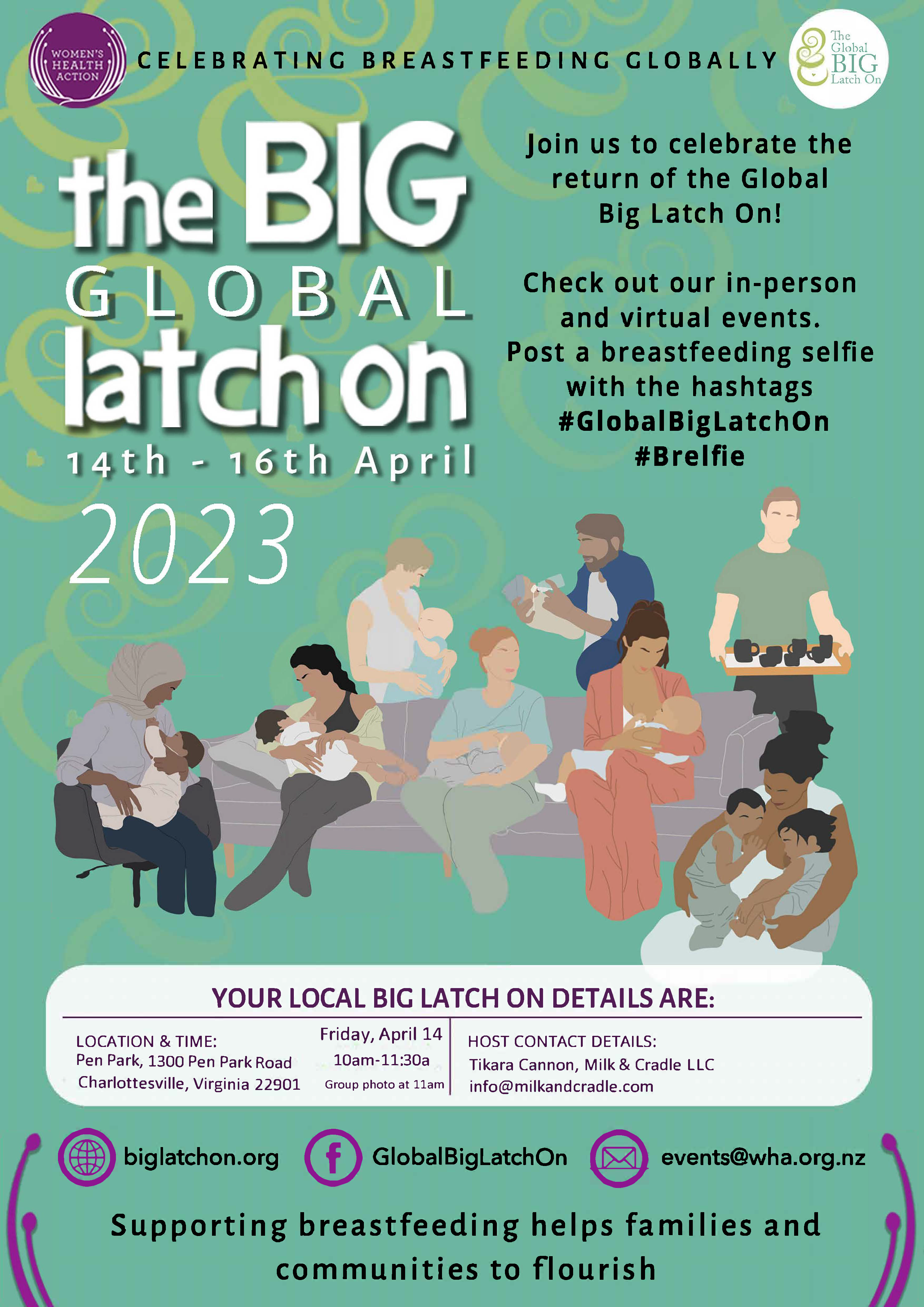
The Big Latch On Of Central Virginia (In Support of The Global Big Latch On)
Prenatal Lactation Classes vs. Consultations